Cart 0

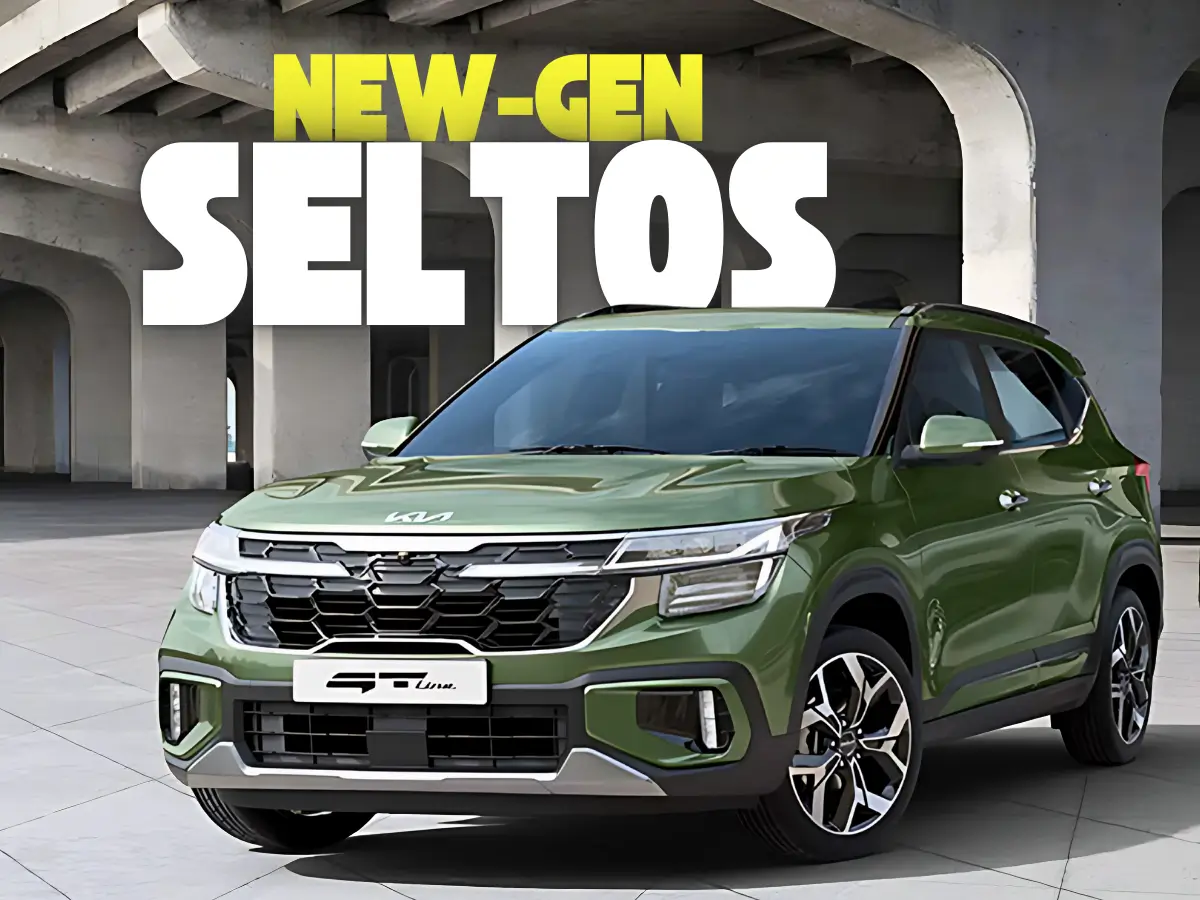
🚀 GLOBAL DEBUT DEC 10: Next-Gen 2026 Kia Seltos Spied—Bigger Size, Trinity Display, and Hybrid Power Confirmed!

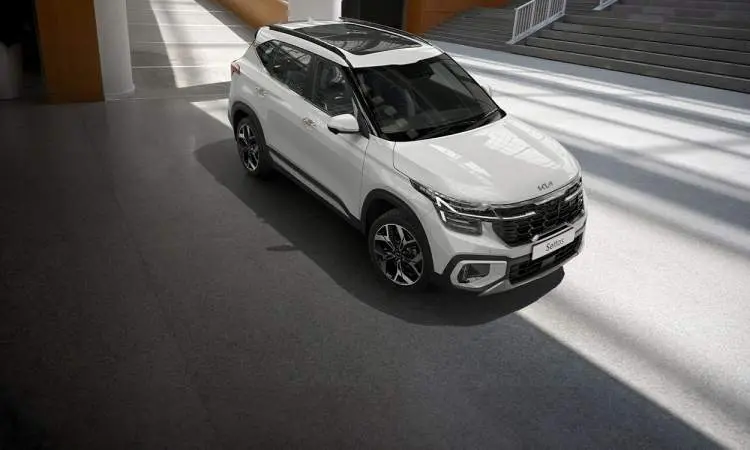
The highly anticipated Next-Generation (2026) Kia Seltos, internally codenamed SP3i, has been spotted again in India, just weeks before its global debut in Korea on December 10, 2025. This generational shift is more than just a cosmetic facelift; it promises a ground-up redesign, increased dimensions, a complete interior technology refresh, and the long-awaited introduction of a Hybrid powertrain to challenge rivals like the Maruti Grand Vitara and Toyota Hyryder.
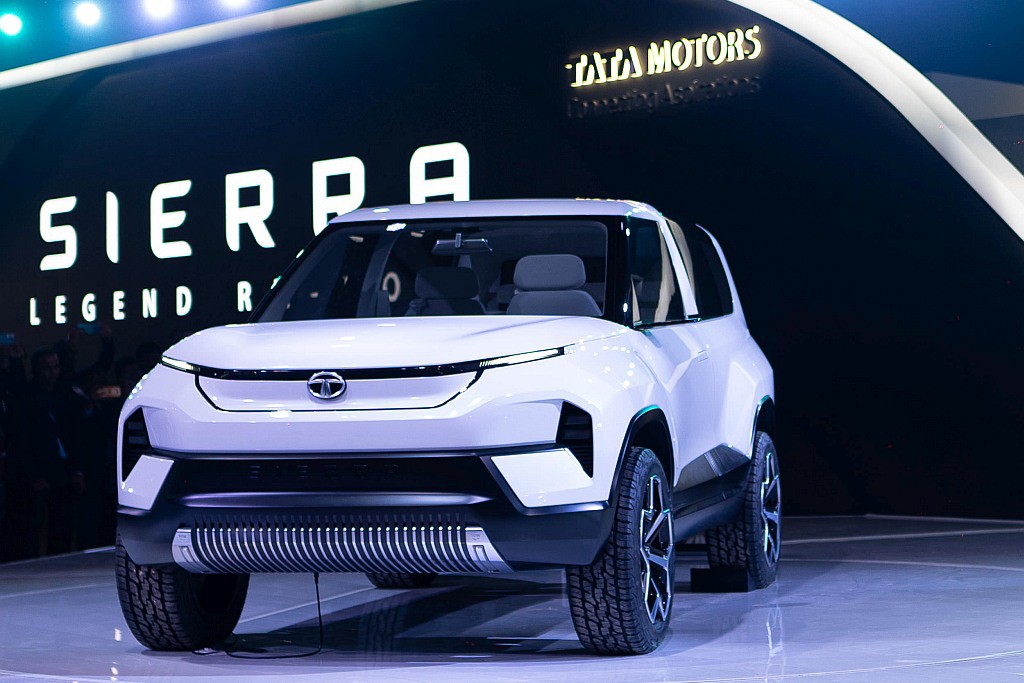
The new Seltos is set to hit Indian showrooms in January or February 2026, aiming to reclaim its top spot in the fiercely contested mid-size SUV segment against the Hyundai Creta and upcoming Tata Sierra.

📐 Design Evolution: From Sporty to Boxy and Bolder
The 2026 Seltos is ditching the flowing lines of the current model for a more muscular, upright stance inspired by Kia’s flagship SUVs, such as the Telluride and EV9, aligning with the “Opposites United” design language.
| Design Area | 2026 Seltos Expected Update | Impact |
| Overall Stance | More upright and boxy profile. | Gives the SUV a larger, more imposing, and rugged road presence. |
| Lighting | Reworked Signature Tiger Nose Grille, with sharp, new Vertical LED DRLs and connected tail lamps. | A dramatic visual update that aligns the Seltos with Kia’s newest global models. |
| Dimensions | Expected to be longer and wider, with a longer wheelbase (Current length: 4,365 mm). | Translates directly into more rear legroom and potentially increased boot space. |
| Wheels | Fresh design for 18-inch Crystal-Cut Alloy Wheels. | Retains the sporty aesthetic while providing a new visual signature. |
💻 Interior & Technology: Introducing the Trinity Display
The biggest leap comes in the cabin, where the Seltos is set to introduce a class-leading digital interface and high-end comfort features.
| Feature Category | Expected 2026 Seltos Detail | Premium Benchmark |
| Digital Cockpit | Trinity Panoramic Display (Curved setup featuring Dual $12.3 \text{-inch}$ screens + $5 \text{-inch}$ dedicated Climate Control screen). | Brings premium, large-screen tech previously seen in high-end luxury models to the mid-size segment. |
| Active Safety | Updated Level 2 ADAS Suite (19 autonomous features expected). | Includes Adaptive Cruise Control, Lane Keep Assist, and Autonomous Emergency Braking. |
| Comfort | Panoramic Sunroof (Dual-Pane), Dual-Zone Climate Control, Ventilated Front Seats. | Standardizes flagship features across the higher variants. |
| Convenience | Electric Parking Brake (EPB) with Auto-Hold, Power Tailgate (expected), and an upgraded Bose Premium Sound System. | Enhances urban driving convenience and luxury feel. |
⛽ Powertrain Lineup: The Hybrid Challenger
While the current reliable ICE engine options will be retained, the addition of a Strong Hybrid powertrain is the major mechanical headline.
| Engine Type | Specification (Expected) | Power Output | Transmission Options |
| NA Petrol | $1.5 \text{L}$ Naturally Aspirated | $115 \text{ PS}$ | 6MT / CVT |
| Turbo Petrol | $1.5 \text{L}$ Turbo GDi | $160 \text{ PS}$ | 6iMT / 7DCT |
| Diesel | $1.5 \text{L}$ Turbo Diesel | $116 \text{ PS}$ | 6MT / New 7-speed AT (Expected) |
| Hybrid (New) | $1.5 \text{L}$ Strong Hybrid | $\approx 115 \text{ PS}$ (Engine) + Electric Power | e-CVT |
The hybrid powertrain is rumored to deliver mileage figures of up to $30 \text{ kmpl}$, directly challenging the current hybrid leaders and promising significant long-term savings for buyers.