Cart 0


“Delhi Police Scraps Old Petrol and Diesel Cars Instead of Imposing Fines: A New Approach to Combat Pollution”
Introduction
In a bold move to tackle the escalating pollution crisis in Delhi, the police have initiated a program to scrap old petrol and diesel vehicles instead of imposing fines on their owners. This decision aims to reduce the number of polluting vehicles on the roads and promote cleaner air in the capital. In this article, we will explore the details of this initiative, its implications for vehicle owners, and the public’s reaction to this new policy.
Overview of the Initiative
-
Objective: The primary goal of this initiative is to combat air pollution in Delhi by removing older, more polluting vehicles from the streets.
-
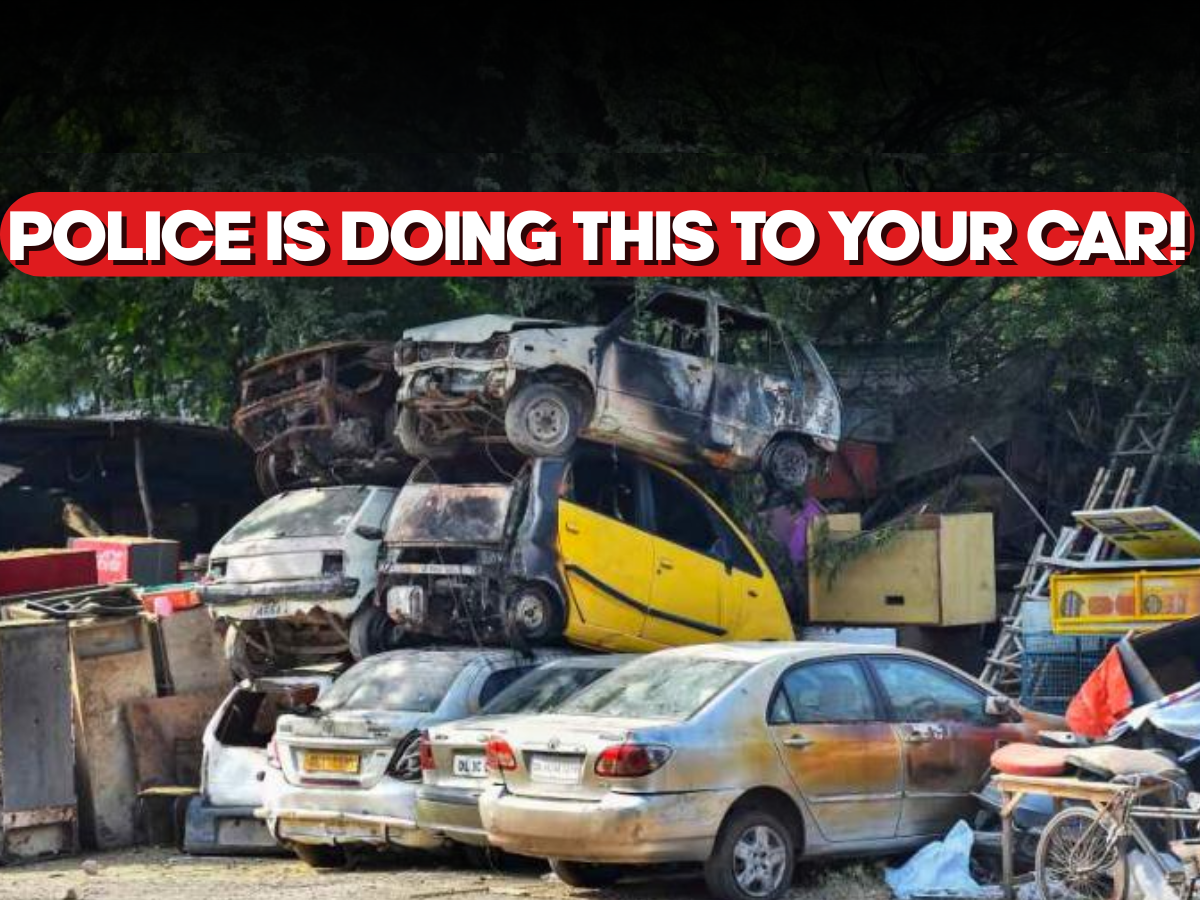
Implementation: The Delhi government has deployed special teams from the police and the Municipal Corporation to identify and impound old petrol and diesel vehicles.
-
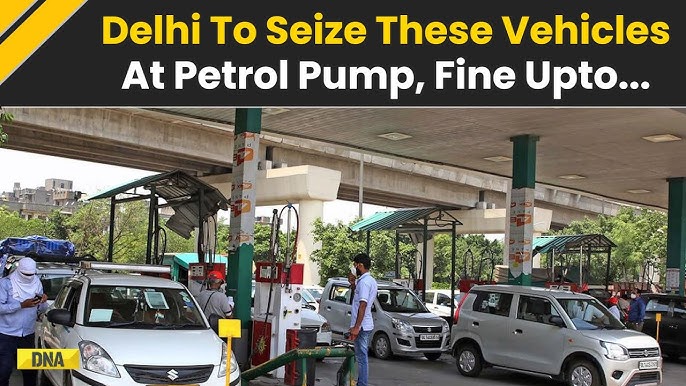
Technology Utilized: Fuel stations are now equipped with Automatic Number Plate Recognition (ANPR) cameras to detect vehicles that are deemed end-of-life (EOL) and ineligible for fuel.
Process of Scrapping Vehicles
Step Description Identification Old vehicles are identified using ANPR technology at fuel stations. Impounding Special teams impound the identified vehicles. Scrapping Seized vehicles are sent directly to scrapyards, and owners receive the scrap
Public Reaction
-
Mixed Feelings: While some citizens support the initiative for its environmental benefits, others express frustration over the lack of awareness regarding the ban on old vehicles.
-
Surprise Seizures: Many vehicle owners report being caught off guard when their cars are seized without prior notice, leading to feelings of anger and helplessness.
-
Potential Protests: As public sentiment grows, there are concerns that protests may arise against this policy, especially among those who feel unfairly targeted.
Future Implications
-
Sustainability Goals: This initiative aligns with the National Green Tribunal’s directives aimed at improving air quality in Delhi.
-
Long-Term Impact: If successful, this program could serve as a model for other cities grappling with pollution issues, potentially leading to similar measures nationwide.
-
Government Response: The future of this initiative will depend on public feedback and the government’s willingness to adapt policies based on citizen concerns.
Conclusion
The decision by Delhi police to scrap old petrol and diesel cars instead of imposing fines marks a significant shift in the approach to managing pollution in the capital. While the initiative aims to create a cleaner environment, it has also sparked a debate among vehicle owners about the fairness and transparency of the process. As the situation evolves, it will be crucial for the government to balance environmental goals with public sentiment.