Cart 0


Audi Slashes Profit Forecast (Again): US Tariffs, EV Transition Costs Hammer Luxury Carmaker

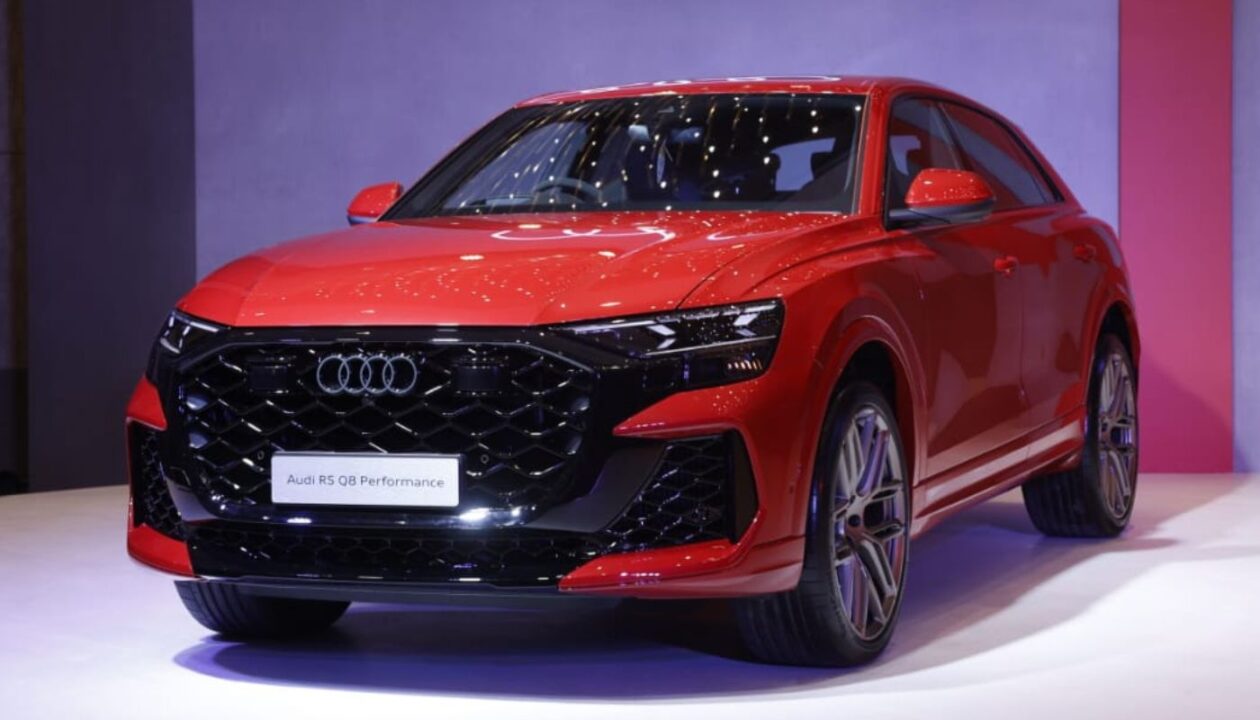
Audi, the premium brand within the Volkswagen Group, has revised its full-year operating profit margin forecast for the second time this year, citing severe headwinds from US import tariffs, intense global competition, and the escalating costs of its major electric vehicle (EV) transition.
The luxury automaker, which also includes the Bentley, Lamborghini, and Ducati brands in its group figures, is taking a financial hit that underscores the immense pressure facing the traditional automotive giants as they navigate a turbulent economic environment and a costly shift to electrification.
🚨 The New Financial Reality: Revised Operating Margin
Audi’s updated guidance reflects a sharp tightening of its expected profitability for the current fiscal year. The primary metric affected is the Operating Return on Sales (Operating Margin), which indicates how much profit a company makes from its core operations.
| Financial Metric | Previous Full-Year Forecast | New Full-Year Forecast | Primary Reason for Change |
| Operating Margin | 5% to 7% | 4% to 6% | US Tariffs, EV Costs, China Competition |
| Revenue | Unchanged | Unchanged | Demand remains strong, but costs are rising. |
| Net Cash Flow (H1 2025) | €3 billion – €4 billion | €2.5 billion – €3.5 billion | Reduced profitability and higher investment. |
Key Statistic: Audi is expecting a financial hit of approximately €1.3 billion to €1.5 billion this year alone due to US tariffs, which impact vehicles exported from Europe, unlike competitors with local US manufacturing.
🛑 Why Audi’s Profitability is Under Pressure
Audi’s Chief Financial Officer, Jürgen Rittersberger, highlighted several critical factors contributing to the revised outlook:
- US Tariffs & Lack of Local Production: Unlike BMW and Mercedes-Benz, which have major US manufacturing plants, Audi largely exports its models to the US. This exposure to high US import tariffs is proving to be a massive financial burden, costing the company over a billion euros annually. Audi is now urgently evaluating setting up its own US production facility.
- Electric Vehicle (EV) Transition Costs: The massive investment required for developing the next generation of EVs, new software platforms, and retooling factories is weighing heavily on margins. Delays or scaling back of joint EV platforms (like the one with Porsche) also create financial strain and uncertainty regarding future model launches.
- Fierce Competition in China: China remains a crucial market for luxury automakers, but Audi is facing intense competition from both domestic players and a resurgent set of global rivals. This has led to a weaker sales momentum in one of its most important profit centers.
- Supply Chain Instability: While semiconductor supply issues have eased slightly, renewed risks—such as the potential disruption involving Dutch chipmaker Nexperia—continue to threaten production stability across the European automotive sector.
📈 Bright Spot: The EV Sales Surge
Despite the financial crunch, the transition to electric mobility itself shows promising demand. Audi’s fully electric models continue to be a growth driver:
- EV Deliveries: Global deliveries of all-electric Audi vehicles saw a strong increase, growing by approximately 30-32% year-over-year in the first half of 2025.
- Model Initiative: The company is currently engaged in a major product offensive, introducing several new electric and highly efficient combustion-engine models to refresh its portfolio and regain market momentum.
The focus now shifts to strict cost control and efficiency measures across the entire group to sustainably achieve profitability goals as the industry reset continues.
🌐 The Bigger Picture: Industry-Wide Challenges
Audi’s challenges are indicative of a broader industry trend where the rush toward electrification is proving more expensive and less immediately profitable than initially expected, forcing many manufacturers to adjust their plans.
| Challenge | Impact on Audi |
| Geopolitics/Trade Wars | Multi-billion Euro cost from US tariffs, forcing consideration of US manufacturing. |
| EV Investment Cycle | High R&D and manufacturing costs squeeze operating margins in the short term. |
| Slowing Demand in Key Markets | Competition in China and economic headwinds in North America hit overall sales volume. |
🎥 See Audi’s Future: The EV Lineup
To see the vehicles Audi is investing heavily in, watch the highlights of their latest concept and production EVs, which represent the future of the brand: