Cart 0

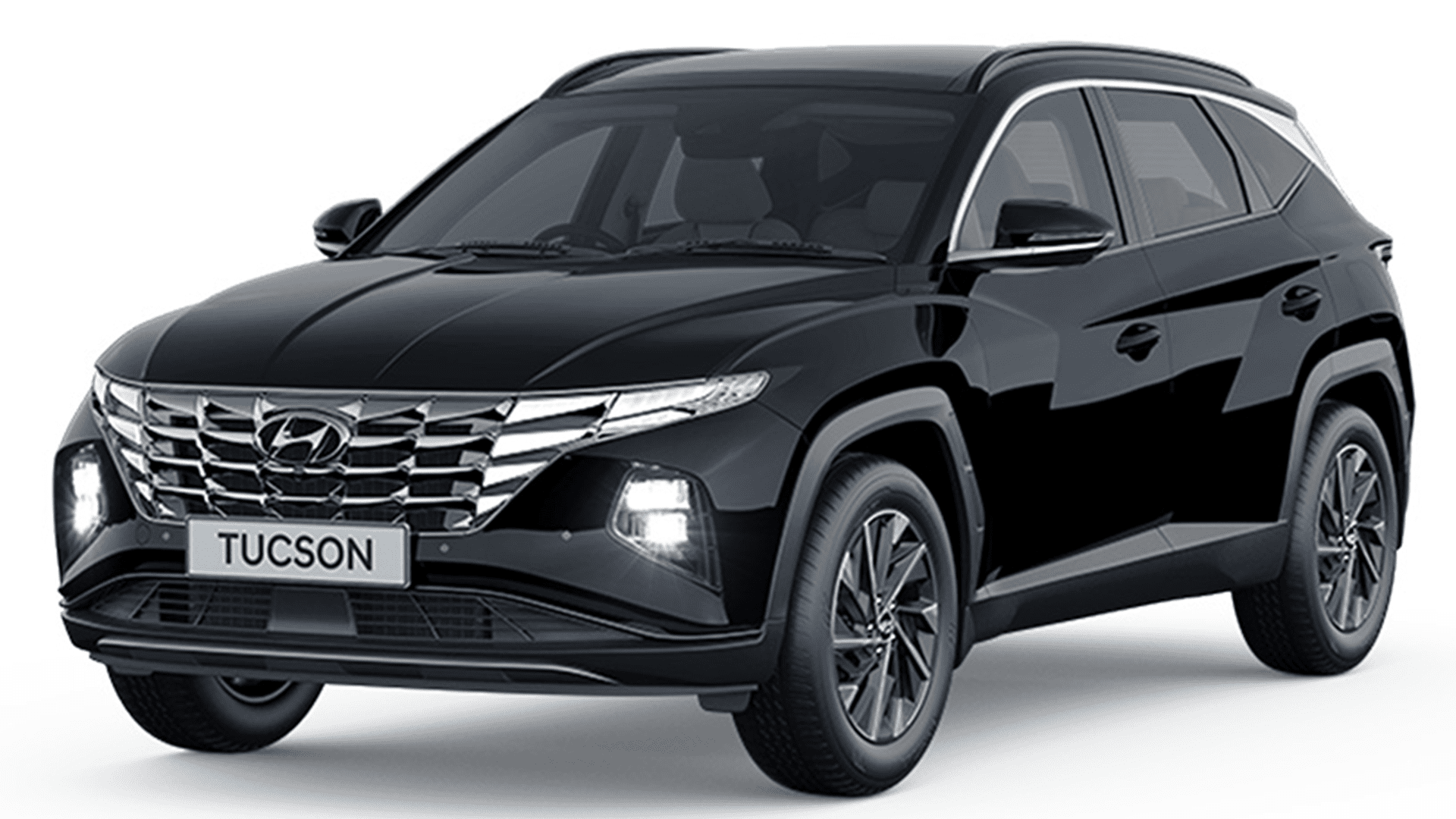
📐 Radical Transformation: Next-Gen 2026 Hyundai Tucson Spied with Boxier Design, Dual 12.3″ Screens & NEW Hybrid Power

Hyundai is preparing a major shake-up in the premium mid-size SUV segment with the next-generation Tucson (codenamed NX5), which has been repeatedly spotted testing internationally and in India ahead of its expected global unveil in late 2025 or early 2026.
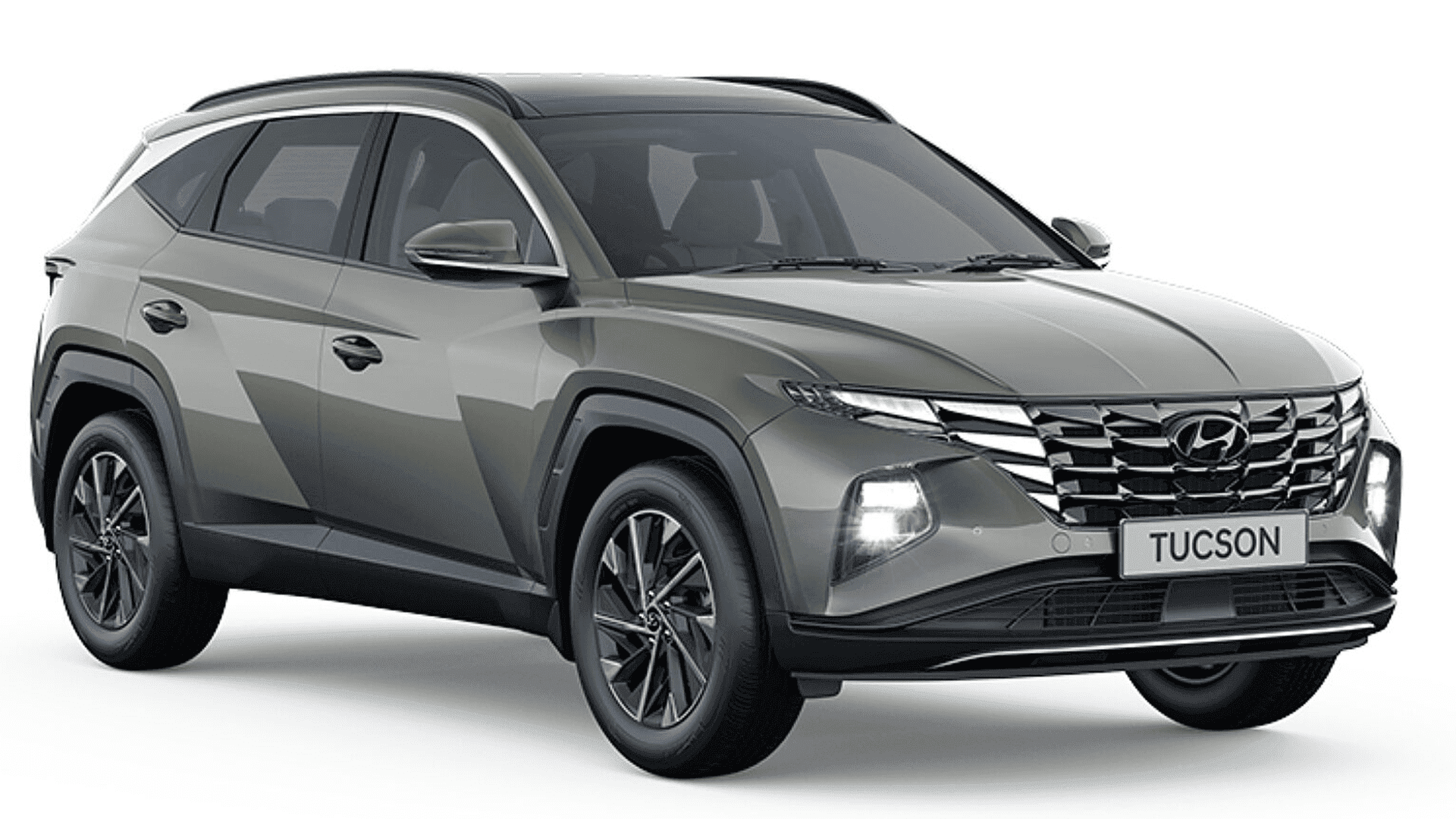
The fifth-generation Tucson is set to abandon its current ‘Sensuous Sportiness’ curves for a radical, boxier design language, taking clear inspiration from the larger, recently launched Santa Fe. This shift, combined with a significant overhaul of its technology and the expected introduction of advanced hybrid powertrains, aims to re-establish the Tucson as a dominant player against rivals like the Jeep Compass and the Volkswagen Tiguan.
🎨 Design & Interior Overhaul: Boxy Elegance Meets Tech
The spy shots and subsequent reports confirm that the new Tucson will feature a complete visual departure, focusing on a more rugged, commanding road presence.
| Feature Area | Expected 2026 Tucson Change | Impact |
| Exterior Design | Adoption of a boxy, muscular silhouette (Santa Fe-like). Expect sharper lines and angular body panels. | Dramatically improves road presence and differentiates it entirely from the current model. |
| Front Fascia | Reworked Parametric Grille and likely vertical, pixel-inspired LED DRLs, similar to other new Hyundai EVs. | Maintains the hidden lighting signature while aligning with Hyundai’s futuristic design identity. |
| Infotainment | New Single Curved Panel housing Dual 12.3-inch Screens (Infotainment + Digital Cluster). | Provides a cutting-edge, integrated digital cockpit experience, powered by the new ‘Pleos Connect’ system. |
| Controls | Steering-Column Mounted Gear Selector (Shift-by-Wire) and physical knobs/buttons retained for critical HVAC controls. | Maximizes centre console space and improves user ergonomics compared to purely touchscreen interfaces. |
| Luxury | Ventilated Front Seats, Driver Seat Memory System, Power Passenger Seat, and a Panoramic Sunroof are expected to continue. | Ensures high comfort standards for the premium segment. |
⚙️ Powertrains: A Shift Towards Hybrid & Performance
While the current Indian model uses a 2.0L Petrol/Diesel engine, global trends indicate a pivot for the next-gen model, especially with the introduction of new hybrid systems.
| Powertrain Option | Expected India Status | Key Specifications / Features |
| Diesel Engine | Likely to be phased out globally/restricted in India. | Current 2.0L Diesel (184 bhp / 416 Nm) may continue briefly, but long-term future is uncertain. |
| Hybrid System | HIGHLY LIKELY to launch in India. | New-gen 1.6L Turbo Hybrid expected to deliver $\approx 231 \text{ hp}$ combined output and enhanced fuel efficiency. |
| Petrol Engine | Updated Turbo-Petrol is a possibility. | Current 2.0L naturally aspirated unit may be discontinued in favor of a smaller, more efficient turbo unit. |
| Safety | Level 2 ADAS (Adaptive Cruise Control, Blind Spot View Monitor, Forward Collision Avoidance) | Confirmed to be a core feature to meet the growing demand for assisted driving in India. |
📅 India Launch & Competitive Landscape
The current generation Tucson has already been delisted from Hyundai India’s website, signaling that the company is clearing the path for the arrival of this significantly updated model.
| Metric | Details |
| Global Unveil | Late 2025 / Early 2026 (Expected) |
| India Launch | Late 2026 / Early 2027 (Expected post-global rollout) |
| Expected Price (Ex-showroom) | ₹29 Lakh – ₹36 Lakh (Premium positioning) |
| Key Rivals | Jeep Compass, Volkswagen Tiguan, Citroen C5 Aircross, and potential high-end variants of the Tata Harrier. |
Unmatched Features and Connectivity
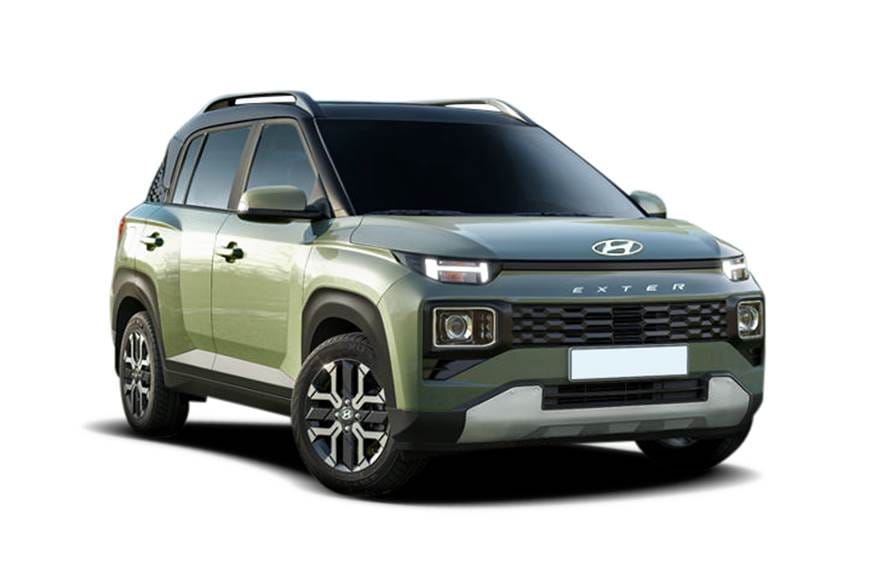
The Hyundai Exter is packed with an array of features that set it apart from its competitors. The micro SUV boasts a spacious interior and offers a boot space of 391 litres, providing ample room for both passengers and luggage. Additionally, the Exter comes equipped with a dual-channel dashcam, electric sunroof, and six airbags as standard, ensuring the safety and convenience of its occupants.
Hyundai has also focused on connectivity features, with the Exter offering an 8-inch infotainment system with smartphone connectivity. This enables seamless integration of smartphones, allowing users to access their favorite apps and stay connected on the go. The Exter also comes with connected car technology, enabling users to remotely control various functions of the vehicle through their smartphones.